Can a Varicocele Cause Long-Term Testicular Discomfort?
Wiki Article
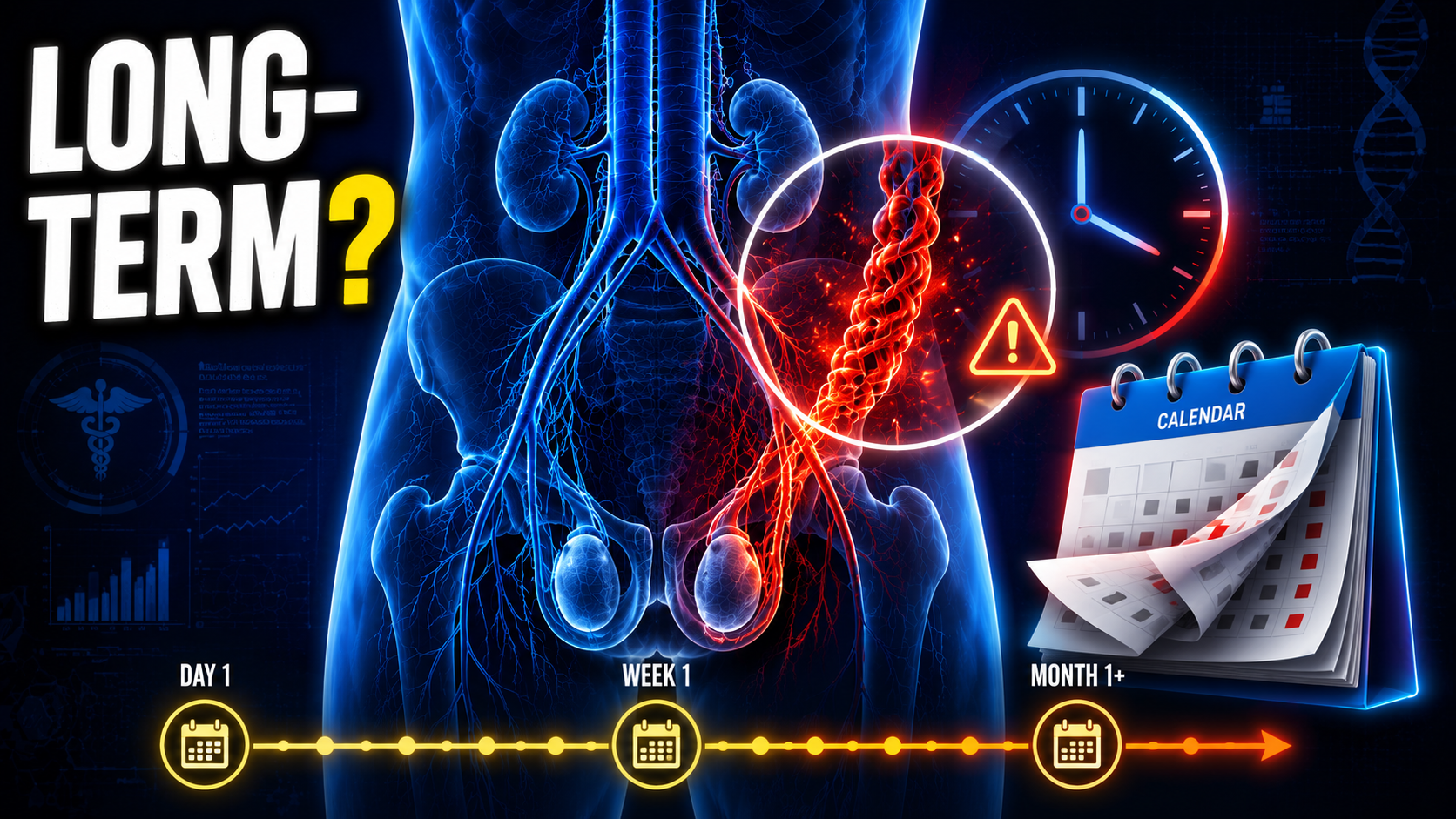
Yes, a varicocele can cause long-term testicular discomfort in some individuals, especially if the enlarged veins continue to place pressure on the surrounding tissues. A varicocele develops when the valves inside the testicular veins fail, allowing blood to flow backward and collect around the testicle. This ongoing pooling of blood can create a dull, aching sensation that may become more noticeable after prolonged standing, physical activity, or at the end of the day. While not everyone experiences persistent discomfort, chronic symptoms should be evaluated to determine whether treatment is appropriate.
Many people assume occasional scrotal discomfort is harmless or will eventually disappear. However, persistent pain may indicate that the underlying vein problem is continuing to affect the testicle. Understanding varicocele can help explain why long-term discomfort sometimes develops and how modern treatment can provide relief.
Why Does a Varicocele Cause Discomfort?
A healthy network of veins carries blood away from the testicle.
When the vein valves stop working properly:
Blood flows backward.
Blood collects inside the veins.
Venous pressure increases.
The veins become enlarged.
This increased pressure can stretch the vein walls and surrounding tissues, leading to discomfort over time.
What Does Varicocele Pain Usually Feel Like?
The discomfort caused by a varicocele is often different from sudden or severe pain.
Many people describe it as:
A dull ache
A feeling of heaviness
Mild pulling or dragging
Pressure within the scrotum
Discomfort after standing for long periods
Symptoms often improve when lying down because blood drains more easily from the affected veins.
Can the Discomfort Become Worse Over Time?
Yes.
If the abnormal veins continue to enlarge, discomfort may gradually become more frequent.
Symptoms may become more noticeable:
After prolonged standing
Following strenuous exercise
During hot weather
Toward the end of the day
According to the European Association of Urology (EAU), persistent pain is one of the recognized reasons for evaluating treatment in patients with a varicocele.
Does Every Varicocele Cause Chronic Pain?
No.
Many individuals with a varicocele experience:
No pain
Mild occasional discomfort
Stable symptoms over many years
Whether discomfort develops depends on factors such as:
The size of the varicocele
Individual anatomy
The amount of venous reflux
Daily physical activity
Because symptoms vary, treatment decisions are based on the individual rather than the size of the varicocele alone.
Can Long-Term Discomfort Affect Daily Life?
Persistent discomfort may interfere with normal activities for some people.
It may make prolonged:
Standing
Walking
Exercise
Heavy lifting
less comfortable.
When pain begins affecting daily routines or quality of life, medical evaluation is recommended.
How Do Doctors Determine the Cause of the Pain?
Doctors begin by reviewing:
Medical history
Symptoms
Physical examination
A Scrotal Doppler Ultrasound is commonly performed to evaluate:
Enlarged veins
Blood flow
Venous reflux
Testicular size
Other possible scrotal conditions
This helps confirm whether the varicocele is responsible for the discomfort.
What Treatments Can Help Relieve Long-Term Discomfort?
Treatment depends on symptoms and clinical findings.
Common options include:
Observation for mild cases
Pain-relieving measures recommended by a doctor
Varicocele Embolization
Microsurgical varicocelectomy
During Varicocele Embolization, an interventional radiologist inserts a small catheter into a vein and blocks the abnormal testicular veins using tiny coils or embolic agents. Blood is then redirected through healthy veins, reducing pressure around the testicle and helping relieve discomfort without open surgery.
When Should Someone Seek Medical Advice?
Medical assessment is recommended if discomfort is accompanied by:
Persistent aching
Enlarged scrotal veins
A noticeable difference in testicle size
Fertility concerns
A new lump or swelling
Early evaluation helps identify the cause and determine whether treatment is appropriate.
Conclusion
A varicocele can cause long-term testicular discomfort because abnormal blood flow increases pressure within the veins surrounding the testicle. Although the pain is usually described as a dull ache or feeling of heaviness rather than sharp pain, persistent symptoms should not be ignored. Early assessment allows doctors to determine whether the discomfort is related to a varicocele and whether treatment could improve long-term comfort and testicular health.
Advances in minimally invasive care have made treating symptomatic varicoceles more convenient than ever. Varicocele Embolization offers a non-surgical, image-guided option that blocks the abnormal veins, restores healthier blood flow, and helps relieve discomfort with a relatively quick recovery for many patients. Individuals seeking expert evaluation can consult an interventional radiologist Jaipur to discuss the most suitable treatment based on their symptoms and clinical findings.
Frequently Asked Questions
Can a varicocele cause pain for many years?
Yes. Some individuals experience persistent or recurring discomfort if the abnormal veins continue to cause increased venous pressure.
What type of pain does a varicocele usually cause?
Varicocele pain is commonly described as a dull ache, heaviness, or dragging sensation that often becomes worse after standing or physical activity.
How do doctors confirm that a varicocele is causing discomfort?
Doctors perform a physical examination and usually recommend a Scrotal Doppler Ultrasound to evaluate blood flow, enlarged veins, and other possible causes of scrotal pain.
Can Varicocele Embolization relieve long-term discomfort?
Yes. For suitable patients, Varicocele Embolization reduces pressure within the abnormal veins, which may help relieve persistent discomfort.
Should persistent testicular discomfort always be evaluated?
Yes. Ongoing testicular discomfort should be assessed by a healthcare professional to determine the underlying cause and recommend appropriate management.
Report this wiki page